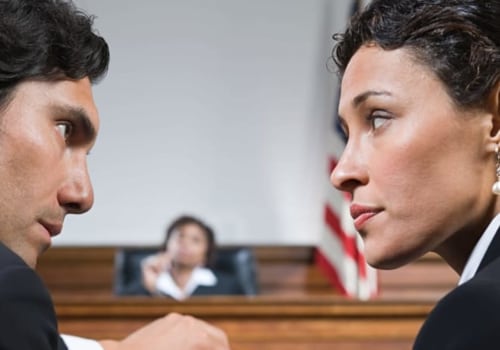
Facing criminal charges can be an overwhelming experience, especially for individuals unfamiliar with the legal system. A criminal law attorney plays a crucial role in protecting the constitutional rights of the accused while guiding them through complex legal proceedings. From the initial investigation to courtroom representation, defense attorneys work to ensure their clients receive fair treatment under the law. They explain legal rights, evaluate potential consequences, and help individuals make informed decisions about their cases. Legal representation is particularly important when navigating police questioning, evidence collection, and court appearances. Understanding these protections establishes the foundation for developing an effective defense strategy.
Developing an Effective Legal Defense Strategy
Every criminal case involves unique circumstances that require an individualized legal approach. Defense attorneys examine applicable laws, available evidence, and their clients' accounts before recommending suitable strategies. Depending on the allegations, a defense may involve challenging witness credibility, questioning identification procedures, presenting an alibi, or examining whether law enforcement violated constitutional protections. Attorneys may also evaluate whether evidence was obtained through unlawful searches or improper investigative methods. A well-prepared strategy considers both legal arguments and potential outcomes, allowing defendants to understand their options throughout the proceedings. Strategic preparation strengthens courtroom advocacy and supports informed decision-making.
Negotiating With Prosecutors and Exploring Legal Options
Not every criminal case proceeds to trial. In certain situations, defense attorneys may negotiate with prosecutors to explore plea agreements, reduced charges, or alternative resolutions. These negotiations require a thorough understanding of the evidence, sentencing considerations, and potential legal consequences. Attorneys explain the advantages and disadvantages of proposed agreements so clients can evaluate their choices carefully. When negotiations do not produce an acceptable resolution, defense counsel can prepare to challenge the prosecution's allegations in court. Effective legal representation ensures that defendants understand possible outcomes without making unrealistic guarantees about case results.
Providing Representation During Court Proceedings
Courtroom advocacy is another essential responsibility of criminal defense attorneys. During hearings and trials, they present legal arguments, question witnesses, challenge admissibility of evidence, and advocate for their clients' interests. They also prepare defendants for courtroom procedures and explain developments as cases progress. Professional representation helps ensure that legal objections are raised appropriately and that defense arguments receive consideration.
Supporting Clients Throughout the Legal Process
Criminal proceedings can create emotional stress, financial uncertainty, and concerns about personal reputation. Defense attorneys provide guidance by maintaining communication, explaining procedural requirements, and helping clients prepare for important decisions. Their involvement can reduce confusion while supporting realistic expectations about the legal process.
Building a Defense Through Knowledge and Preparation
A criminal law attorney combines legal knowledge, investigative skills, negotiation experience, and courtroom advocacy to protect the accused. By carefully reviewing evidence and developing individualized strategies, defense counsel helps clients navigate complex proceedings while safeguarding their rights. Strong legal representation promotes procedural fairness and ensures defendants have meaningful opportunities to present their cases.